
20+ YEARS MANUFACTURING EXPERIENCE
Professional Manufacturer of Shell & Tube Heat Exchangers
20+ years of experience in pressure vessels and related components for air conditioning and refrigeration systems.
Advanced Manufacturing Ensures Reliable Quality and Fast Delivery
- 6-8 DAYS Standard Delivery(vs. Industry Average: 4-8 Weeks)
- 99.9% Product Pass Rate (vs. Industry Avg. ~97%)
- 77 Patents + D1/D2 Certified(Most suppliers aren't certified)
- 36-MONTH WARRANTY (vs. Industry Standard: 12 Months (3x longer))
Custom Heat Exchanger Solutions for Air Conditioning and Refrigeration Systems
Designed to meet diverse system
requirements and project applications.
Professional Manufacturer of Shell & Tube Heat Exchangers
Get an Instant Quote
Get In Touch !
[email protected]
Products
Explore Our Product Range
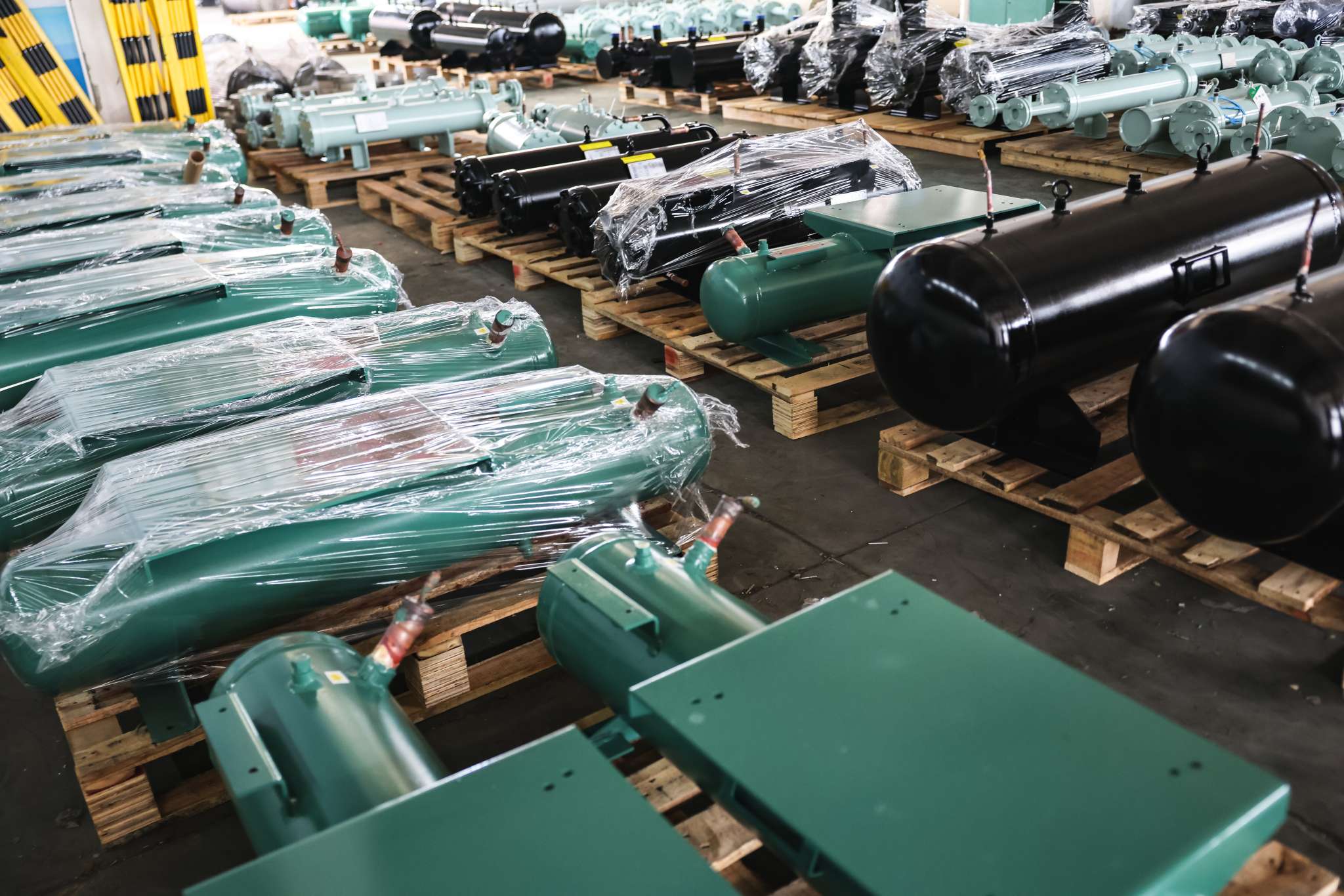
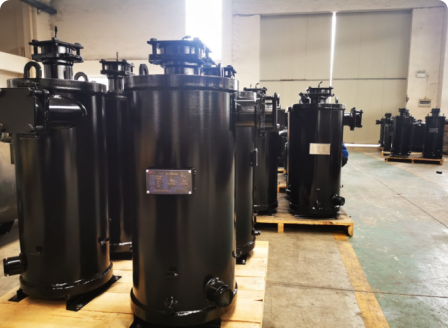
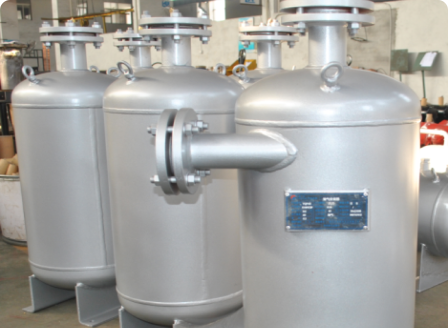
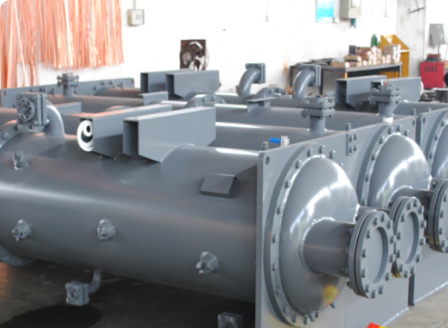
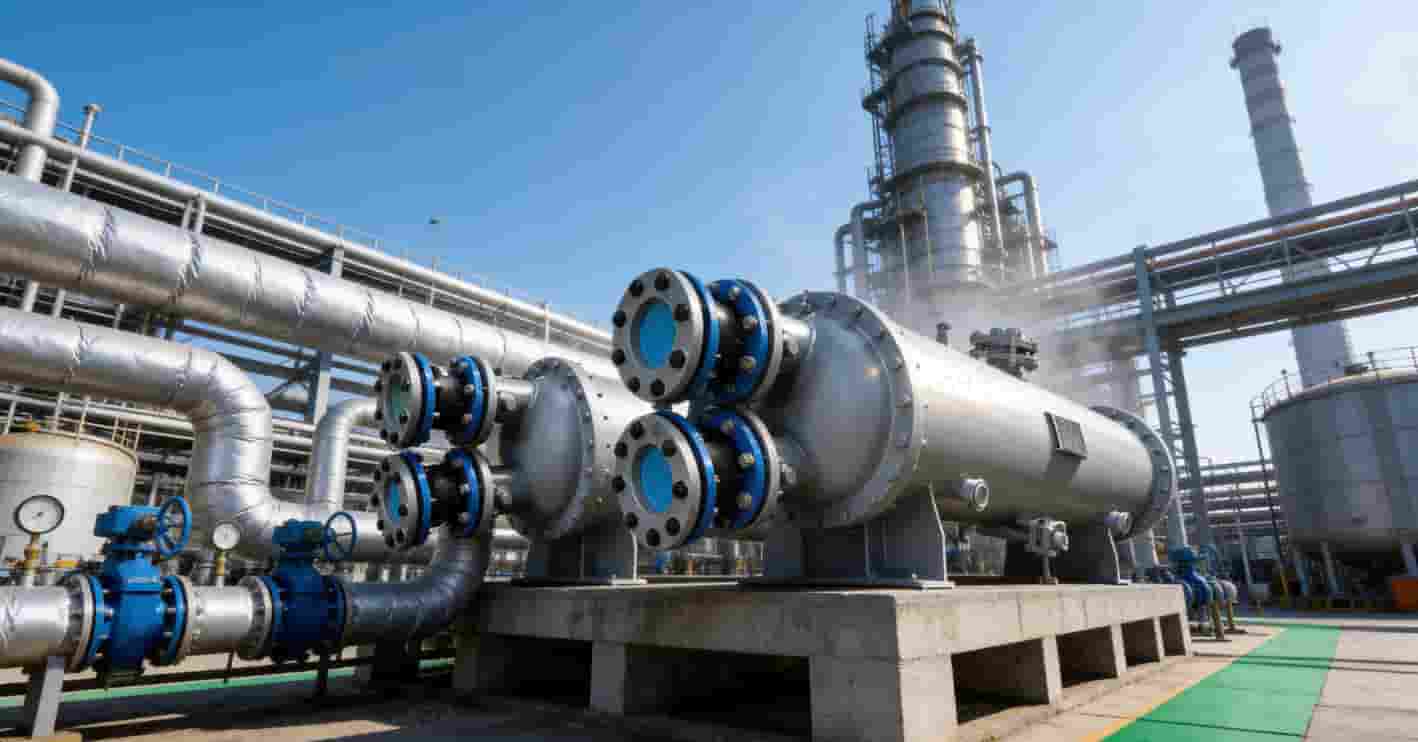
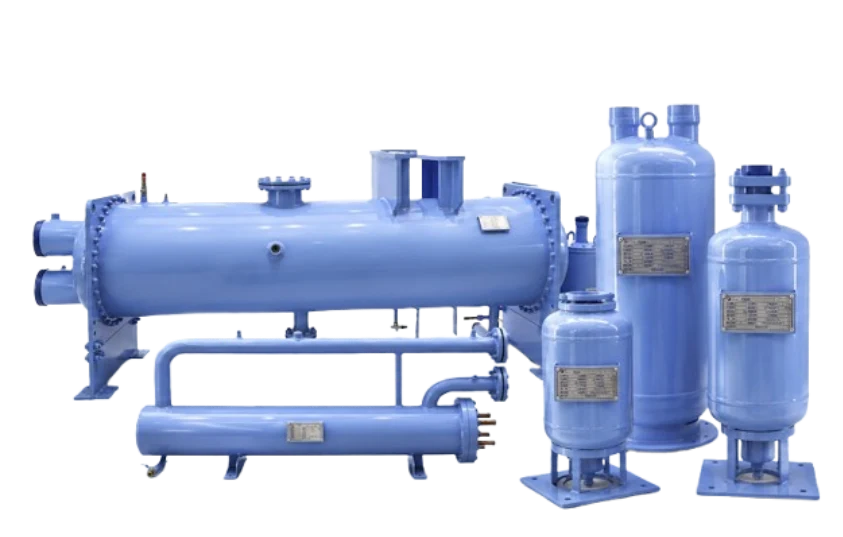
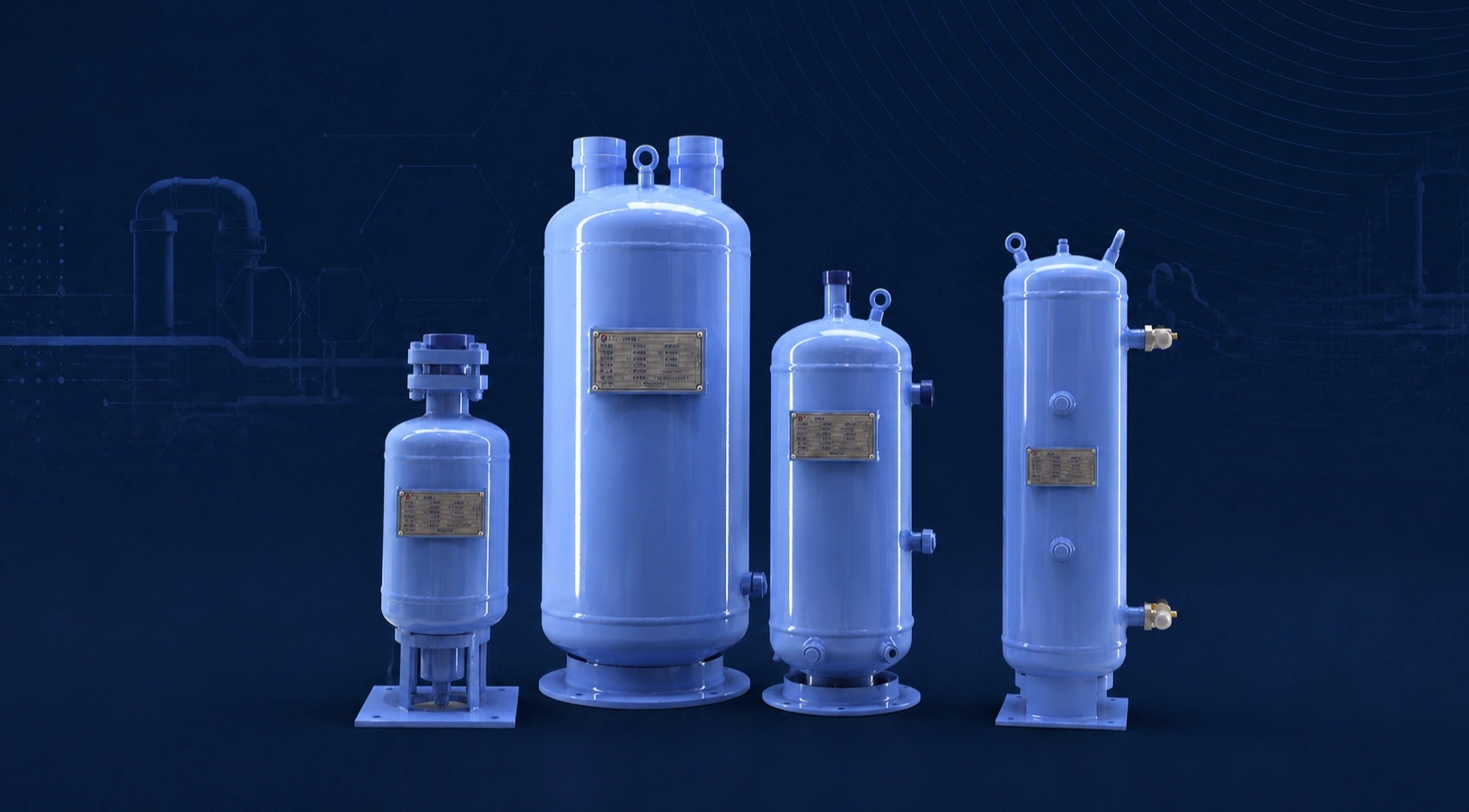
Our main products cover shell and tube water-cooled condensers, evaporators, liquid receivers, oil coolers, gas-liquid separators, seawater condensers and other refrigeration pressure vessels & components. Single unit cooling capacity: 3–500 RT. We offer standardized shell and tube heat exchangers matched with Copeland, Bitzer, Hanbell and other mainstream compressors to meet diverse customer demands.
Shell and tube heat exchangers
Pressure vessels
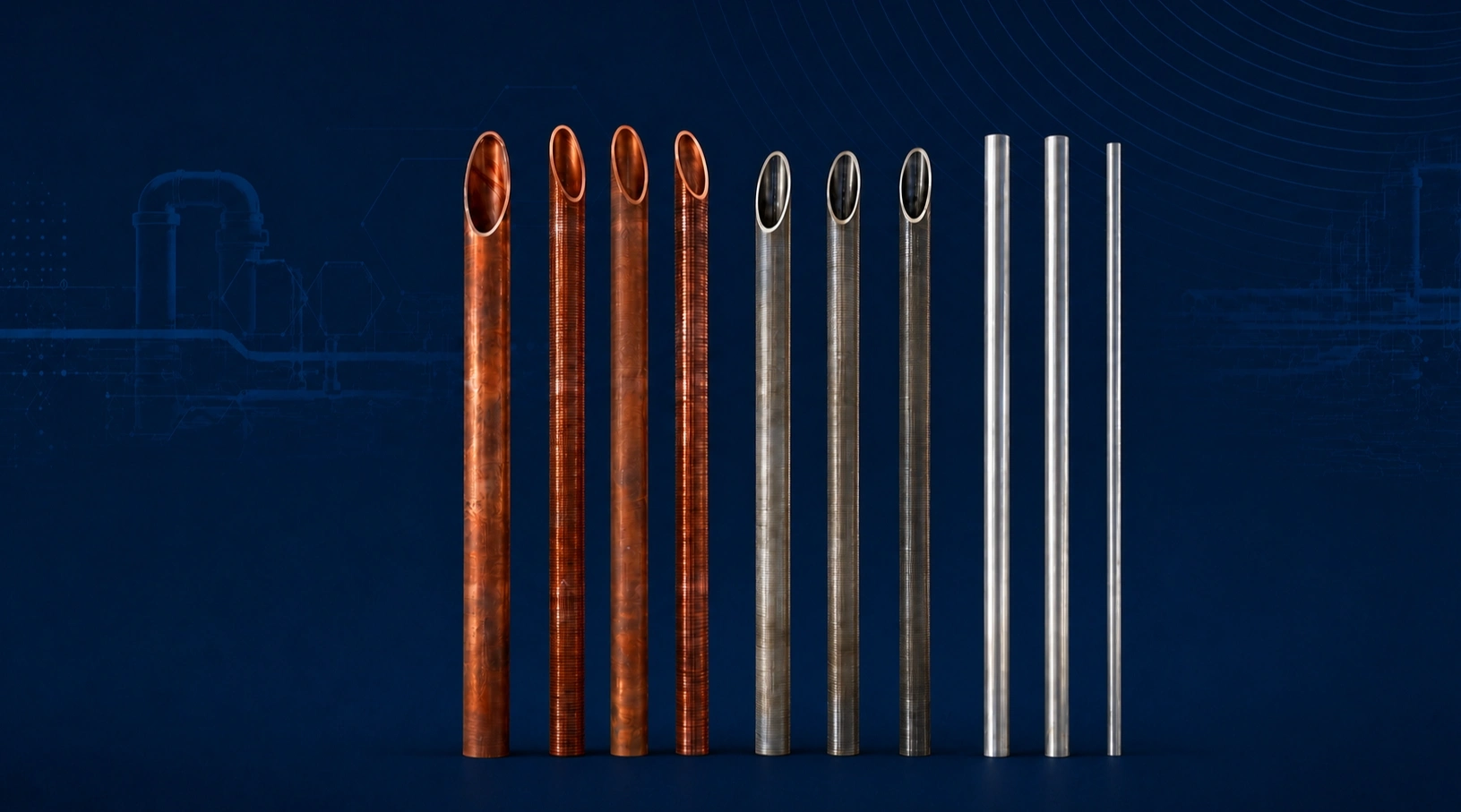
Heat exchange tubes
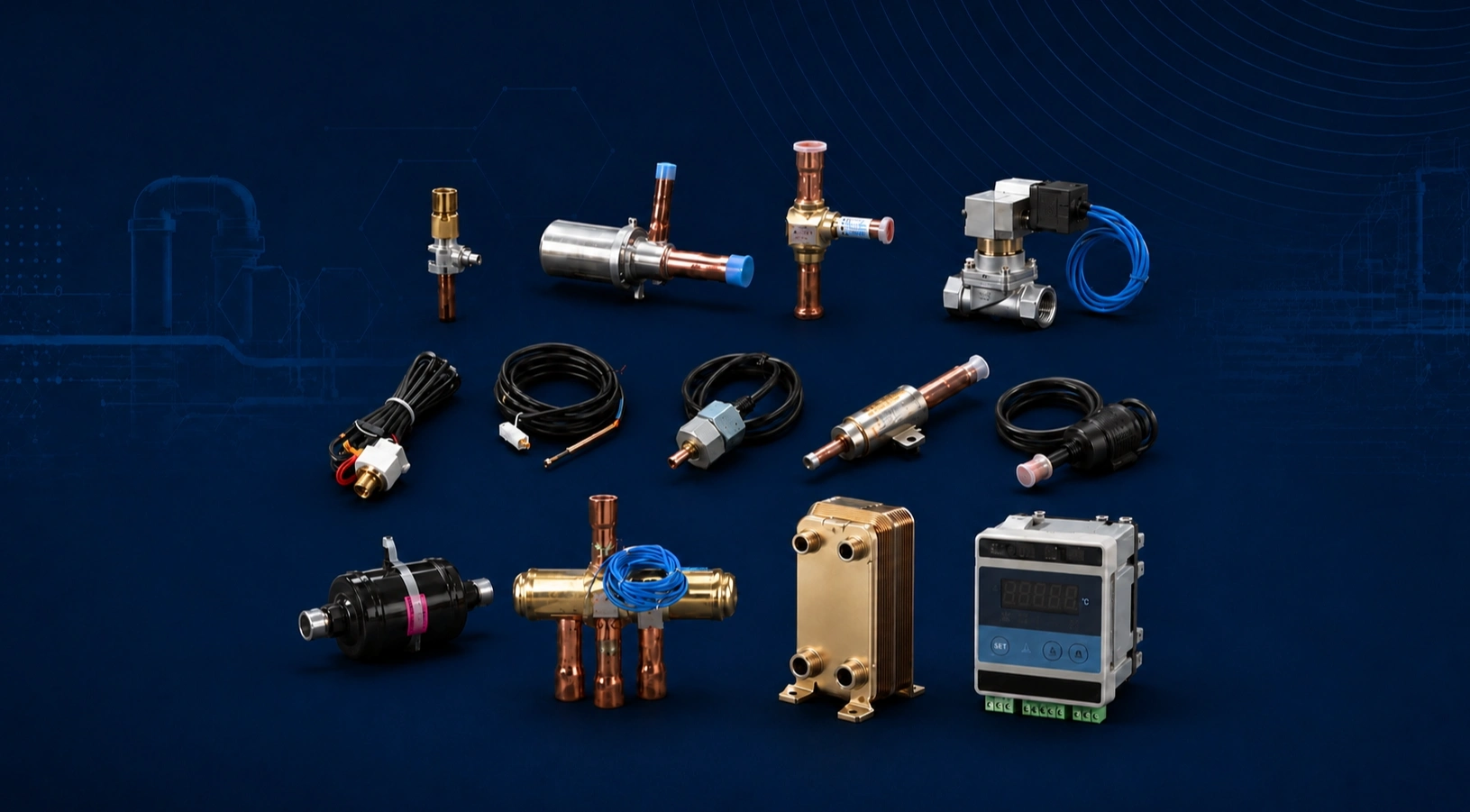
Filters
Products
Explore Our Product Range
Our main products cover shell and tube water-cooled condensers, evaporators, liquid receivers, oil coolers, gas-liquid separators, seawater condensers and other refrigeration pressure vessels & components. Single unit cooling capacity: 3–500 RT. We offer standardized shell and tube heat exchangers matched with Copeland, Bitzer, Hanbell and other mainstream compressors to meet diverse customer demands.
Shell & Tube
Heat Exchangers
Multiple Models · Custom Solutions ·
Efficient Heat Transfer
About Us
Your Trusted Shell & Tube Heat Exchanger Partner
Jiangsu Honry HeatEX Industrial Co., Ltd. was established in 2005 and specializes in the development and manufacturing of shell and tube heat exchangers, pressure vessels, and related components for air conditioning and refrigeration systems. Over the years, we have gained extensive experience in product design, manufacturing, and project support for refrigeration equipment applications.
We hold D1 and D2 qualifications for pressure vessel design and manufacturing and obtained ISO 9001:2000 certification in 2006. Backed by an experienced engineering team and mature manufacturing capabilities, we provide integrated support from product development and technical assistance to volume production. Since forming a strategic partnership with Italy’s ONDA in 2015, we have further enhanced our technical strength and global cooperation capabilities.
Why Choose Us?

Custom Manufacturing
We support custom production based on different project requirements, application conditions, and technical specifications to better match diverse refrigeration system needs.

Engineering & Technical Support
Our experienced engineering team provides professional support in product selection, material selection, and technical evaluation for different working conditions.

Responsive After-Sales Service
We provide responsive after-sales service with on-site technical support when needed, helping customers restore normal operation as quickly as possible.

Competitive Pricing
With strict cost control throughout production, we are able to offer competitive pricing that is generally below the average market level.

Reliable Quality Assurance
We maintain full control over the production process and implement strict inspections from raw materials to finished products, backed by a clear 3-year warranty commitment.

Fast Delivery Time
With efficient production scheduling and stable process control, we are able to offer short lead times, with delivery typically completed within 6–8 days.
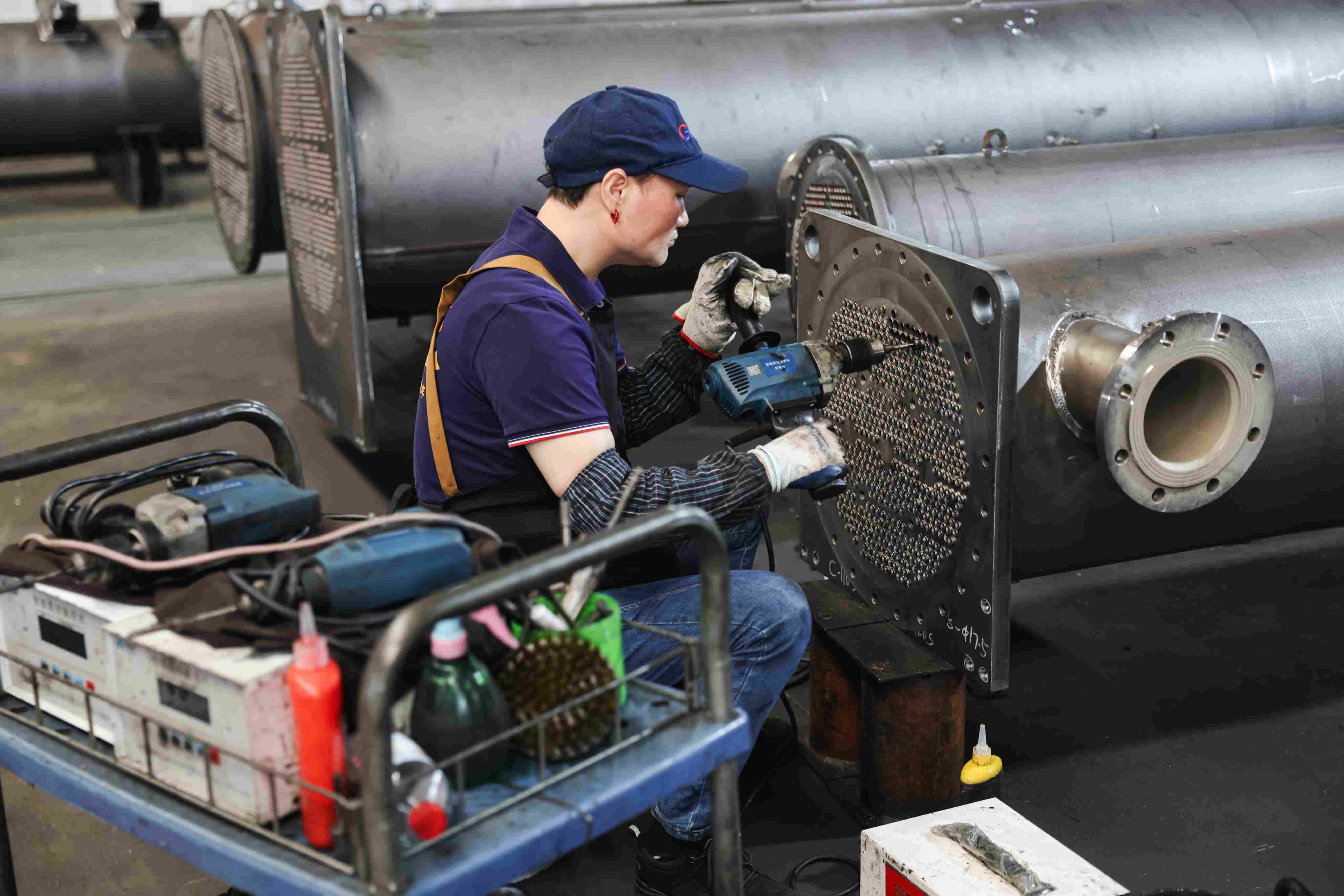
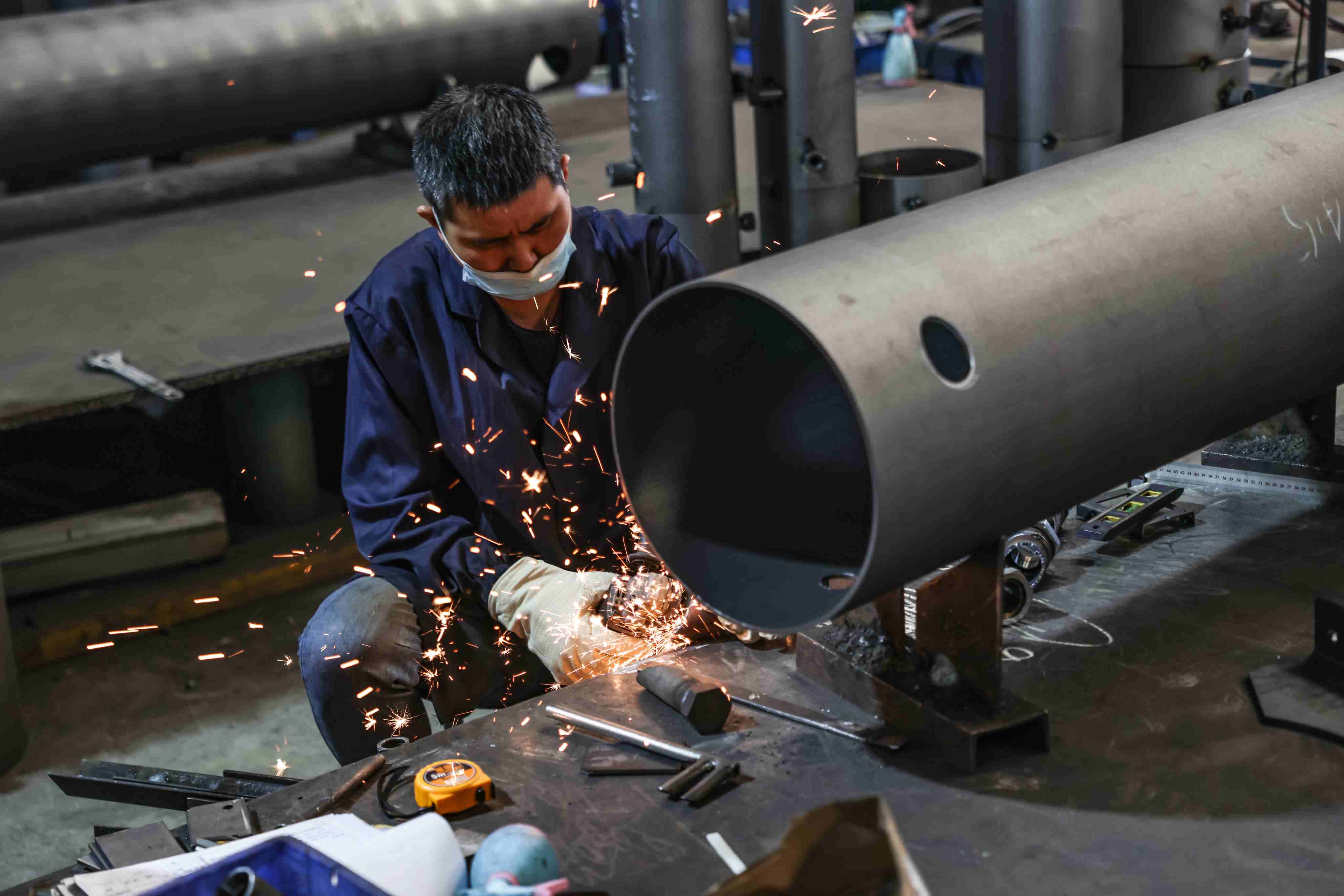
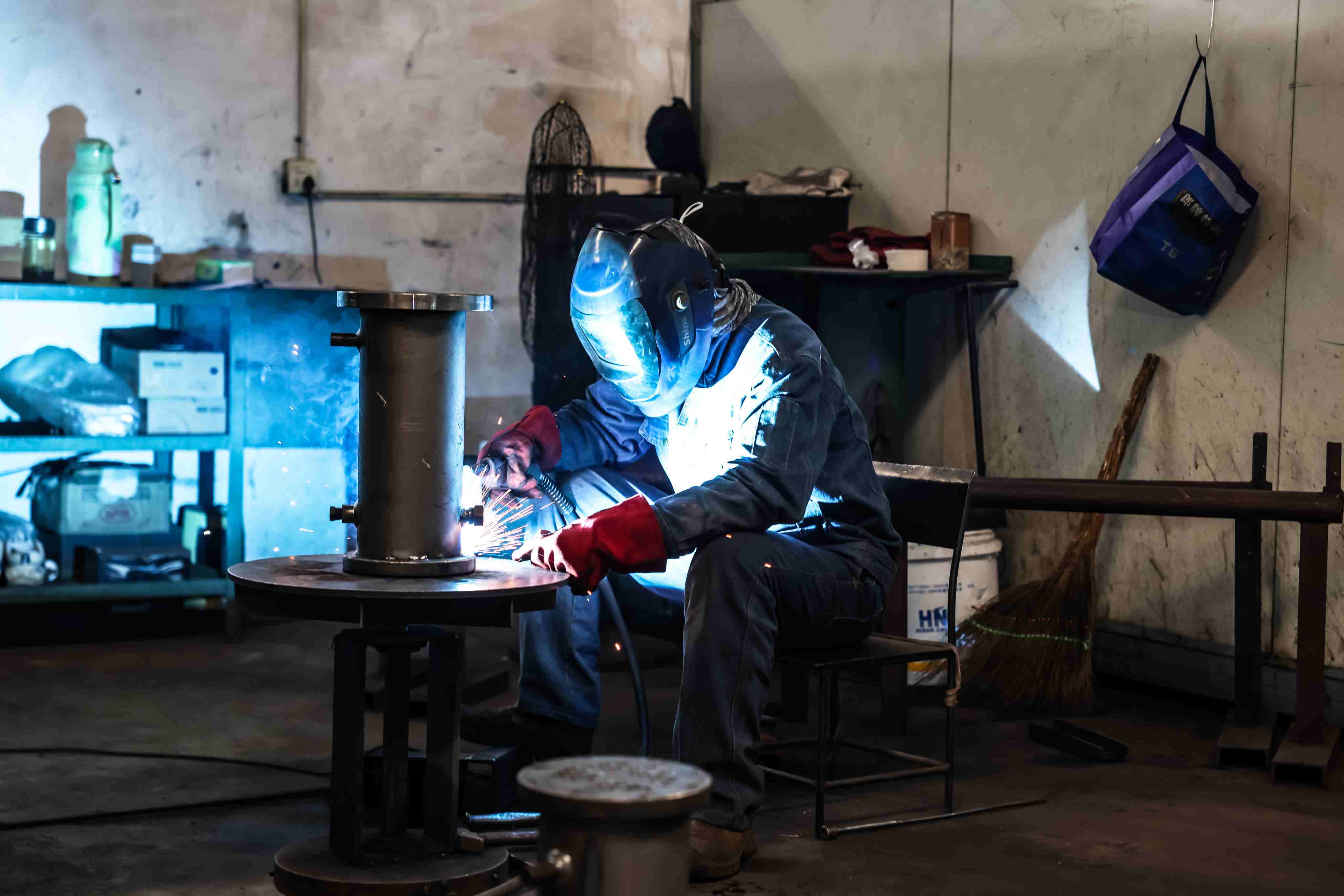
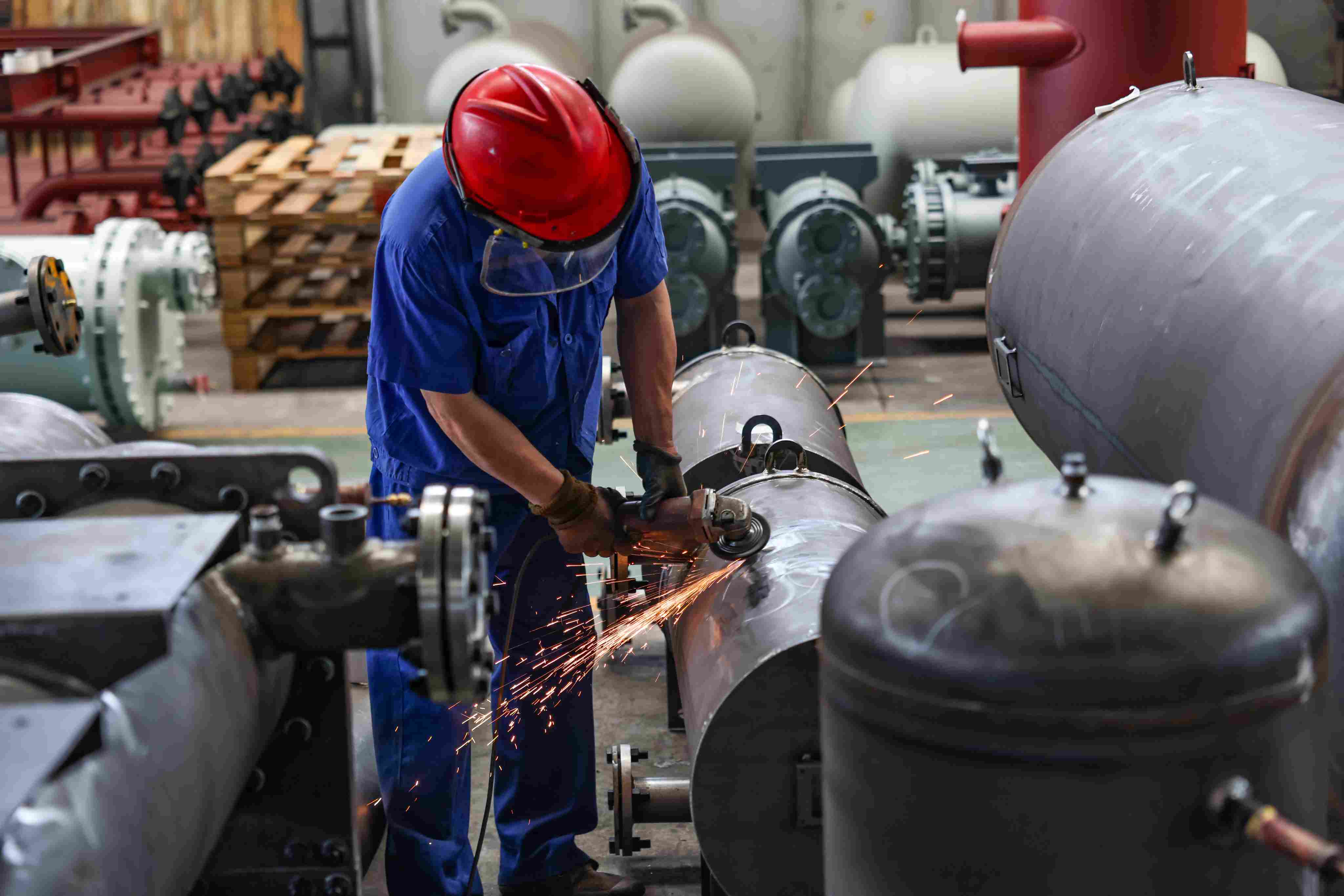
D1/D2 Certified: Your compliance is guaranteed. China’s highest pressure vessel credentials.
Italian ONDA Technology: European engineering standards in every unit we make.
36-Month Warranty: Three times the industry standard. Zero maintenance cost in your first 3 years.
Ready to Discuss Your Project?
Contact us for product recommendations, technical support, and fast quotation.
6-8 DAYS Standard Delivery(vs. Industry Average: 4-8 Weeks)
99.9% Product Pass Rate (vs. Industry Avg. ~97%)
77 Patents + D1/D2 Certified(Most suppliers aren't certified)
36-MONTH WARRANTY (vs. Industry Standard: 12 Months (3x longer))
Ready to Discuss Your Project?
Contact us for product recommendations, technical support, and fast quotation.
6-8 DAYS Standard Delivery(vs. Industry Average: 4-8 Weeks)
99.9% Product Pass Rate (vs. Industry Avg. ~97%)
77 Patents + D1/D2 Certified(Most suppliers aren't certified)
6-MONTH WARRANTY (vs. Industry Standard: 12 Months (3x longer))


Our Factory
Strong Manufacturing Capability You Can Rely On
Large-Scale Facility
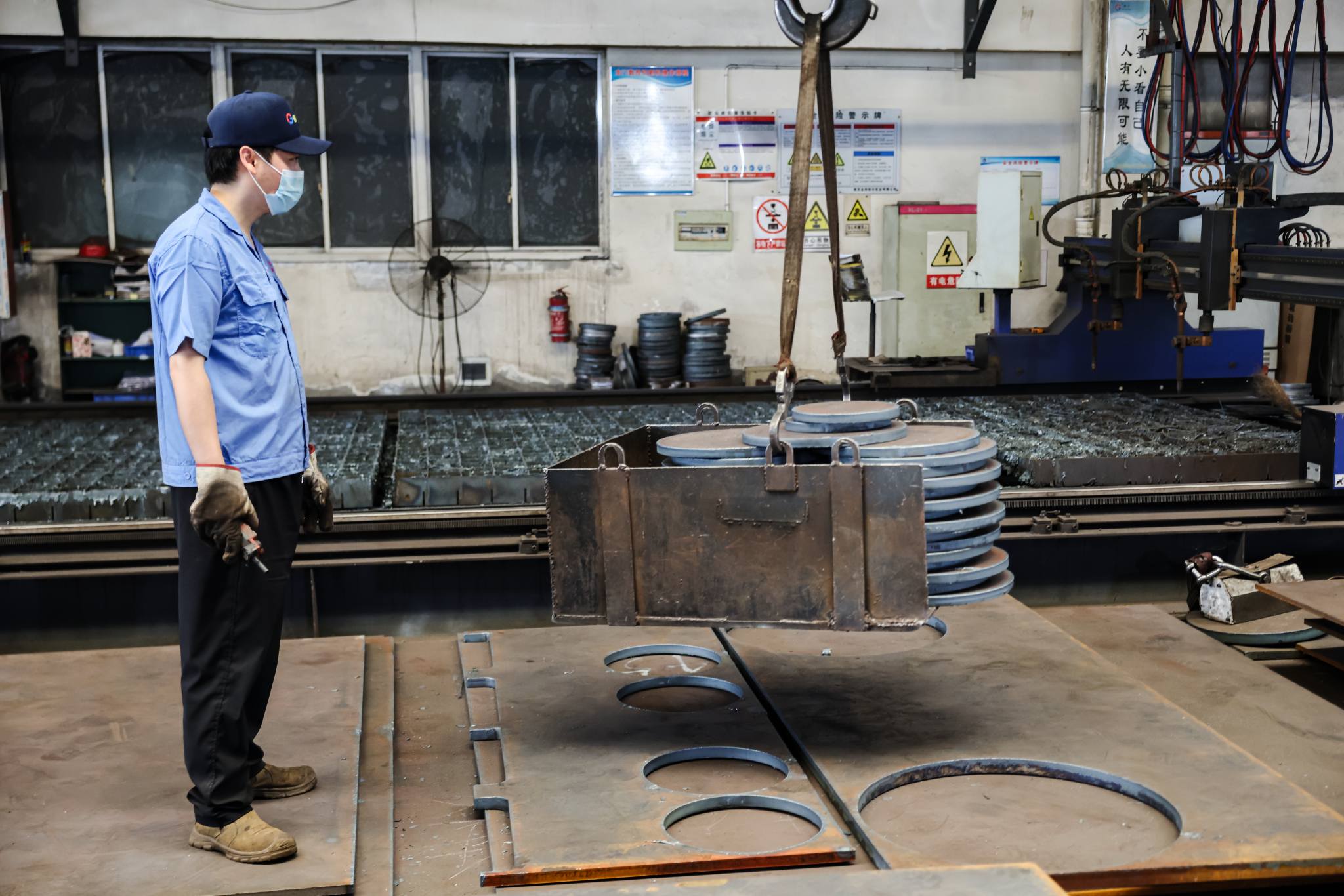
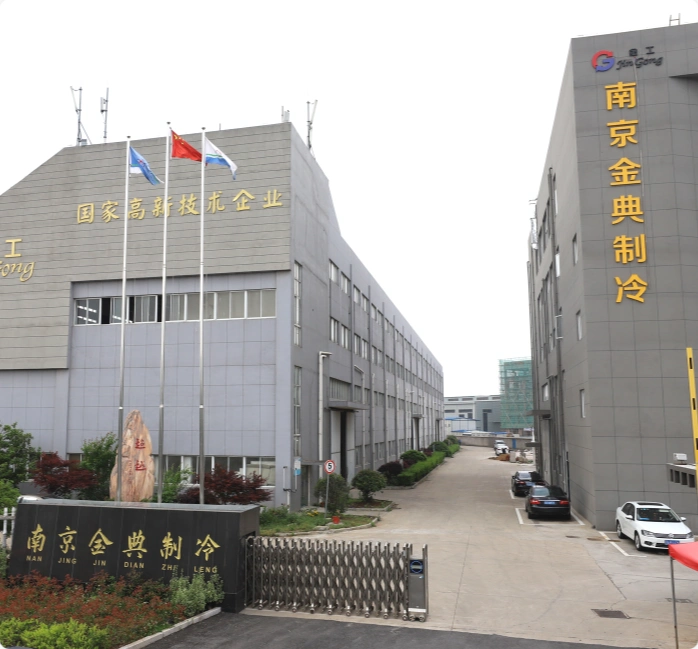
Our production base covers over 20,000 m², including more than 10,000 m² of workshop area and 2,000 m² of dormitory and supporting facilities.
Skilled Technical Team
We have over 200 employees, including more than 30 experienced technical professionals, supporting efficient production and engineering execution.
Advanced Equipment Capacity
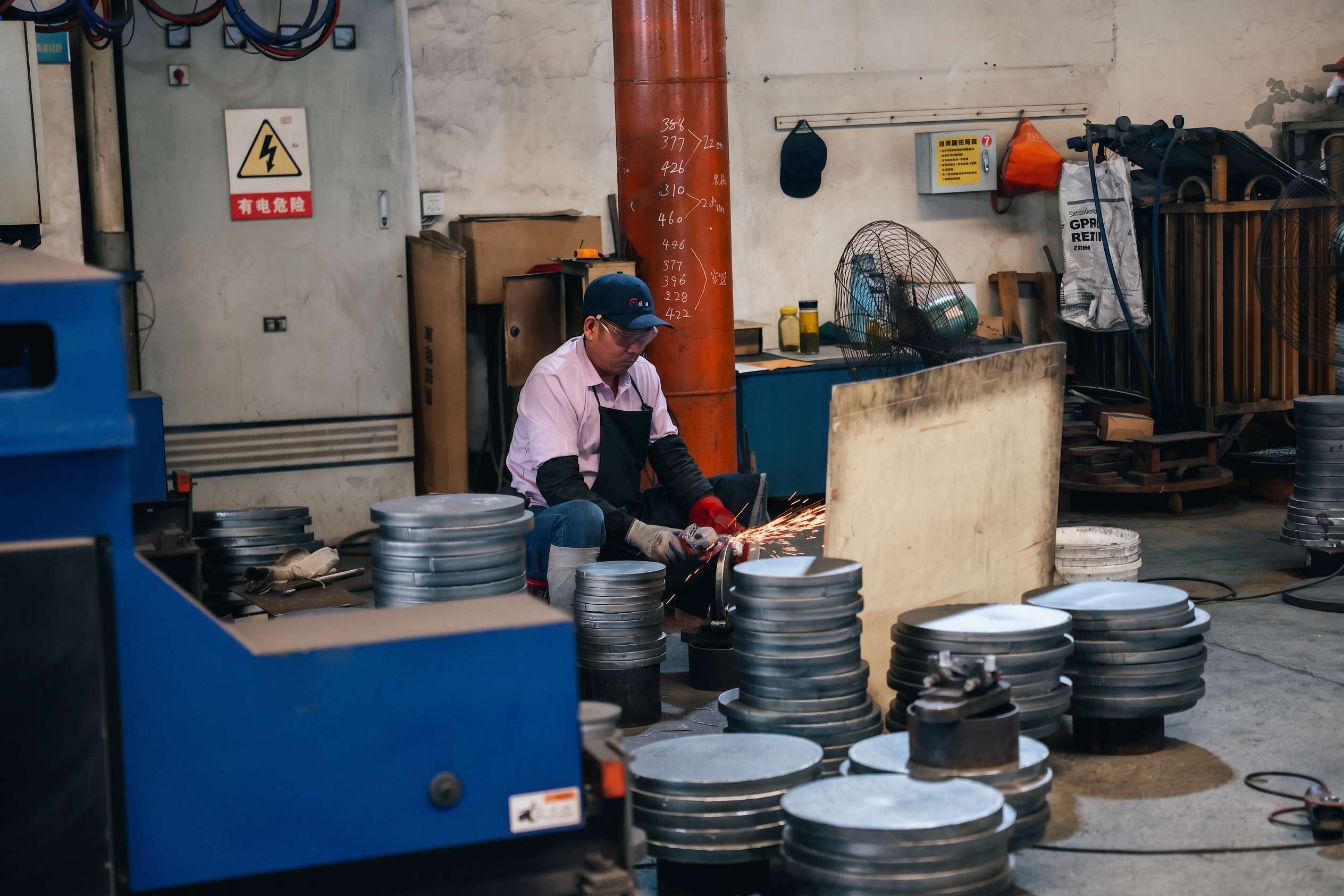
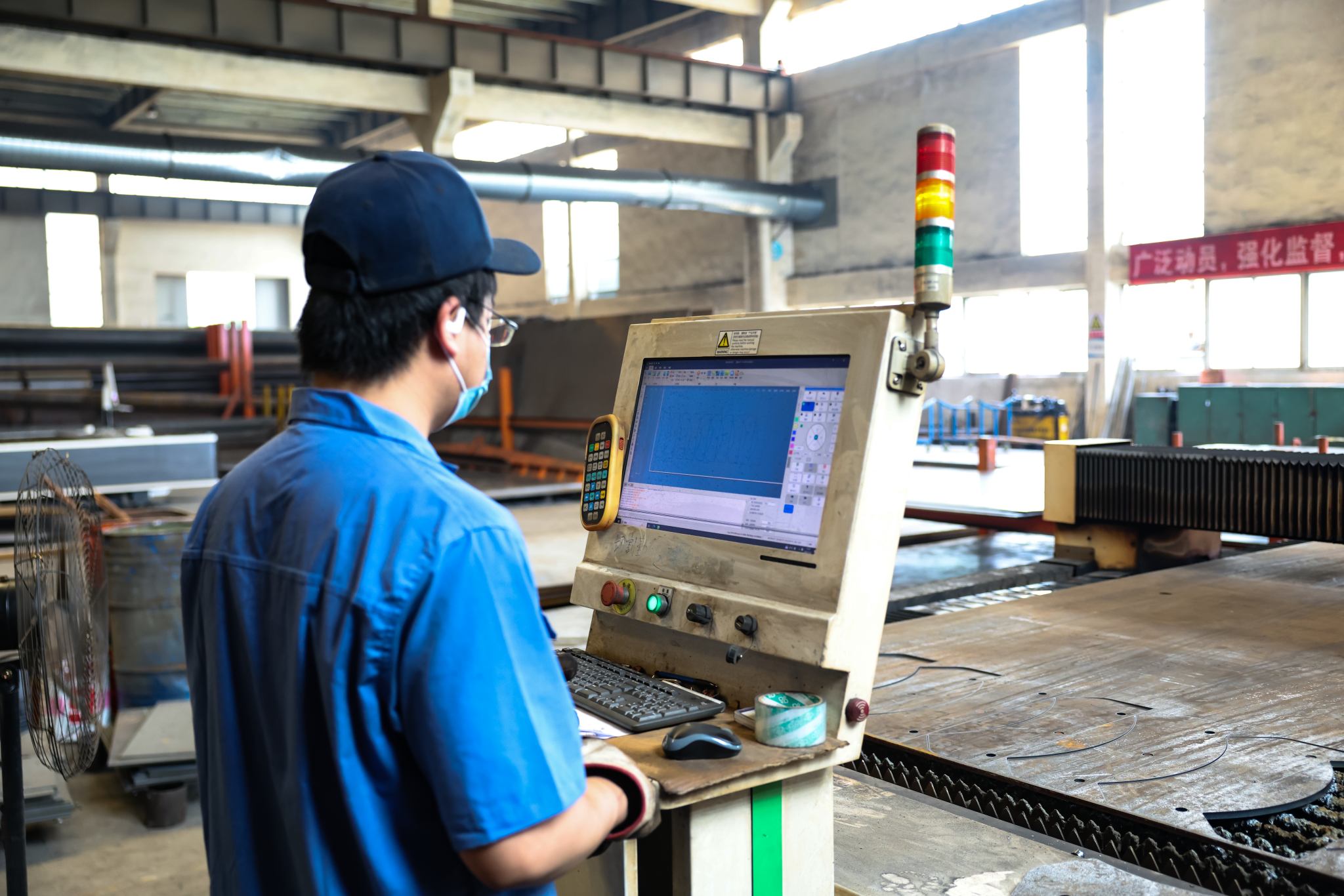
With over 100 sets of processing and testing equipment, including CNC machines, tube expanders, pipe bending machines, automatic welding machines, and testing benches, we maintain stable manufacturing quality across every process.
Quality and Delivery Assurance
Supported by our leading domestic high-efficiency copper tube production base, we maintain a rework rate below 0.12% and a fast delivery time of 6–8 days.
Customization Ability
How We Deliver Custom Projects
For shell and tube heat exchangers and refrigeration pressure vessels, we support a complete custom project workflow from requirement review and solution evaluation to detailed design and production.
01
Requirement Submission
Share your refrigeration parameters, application requirements, sketches, or project drawings with us.
03
Detailed Design & Drawing Confirmation
fter the solution is confirmed, we prepare detailed engineering drawings and part drawings for approval.
02
Solution Evaluation & Quotation
We evaluate the proposed solution, review structural feasibility, and provide a quotation based on your requirements.
04
Production
Once the drawings are approved, production is arranged according to the confirmed specifications.
Our Projects
Our Successful Project Cases
With years of industry experience and continuous technical investment, Honry HeatEX products have been exported to Russia, Japan, South Korea, and Southeast Asia, and have been applied in a wide range of refrigeration equipment projects. With reliable product quality and professional service capabilities, we are committed to providing customers with stable and dependable support.
Korea Cooling System Project
Customized heat exchange equipment for stable industrial cooling performance.
Application
Cooling System
Location
Korea
Year
2026
Japan Refrigeration Equipment Project
Reliable shell-and-tube heat exchanger solutions for commercial refrigeration units.
Application
Refrigeration Equipment
Location
Japan
Year
2025
Vietnam Low-Temperature Cooling Project
Custom heat exchange and receiver solutions for cold chain refrigeration systems.
Application
Cooling System
Location
Vietnam
Year
2024
Latest News
Cleaning heat exchanger tubes is essential for maintaining thermal efficiency and preventing unplanned shutdowns in industrial systems. According to TEMA (Tubular Exchanger Manufacturers Association) standards and research published in Applied Thermal Engineering, fouling on heat exchanger surfaces can reduce heat transfer efficiency by 20–30% and proportionally increase energy consumption. Effective cleaning requires identifying the type of fouling, selecting the most suitable cleaning method — mechanical, chemical or hydro-blasting — and adhering to a structured maintenance schedule to maximise service life.
Introduction: Why Heat Exchanger Tube Cleaning Cannot Be Ignored
Heat exchanger tubes form the backbone of thermal management in a variety of industries, including petrochemical refineries, HVAC systems, power generation plants, and food processing facilities. Over time, these tubes accumulate deposits of scale, biofilm, sludge, corrosion by-products, and other particulates — a phenomenon collectively known as ‘fouling’. If left unaddressed, fouling not only reduces system efficiency, but also creates pressure drops, accelerates corrosion, elevates operating temperatures beyond design limits, and can ultimately lead to catastrophic tube failure.
The financial stakes are high. The U.S. Department of Energy estimates that heat exchanger fouling costs U.S. industry alone over $4.4 billion annually in lost productivity, increased energy use, and maintenance expenditure. Yet many plant operators continue to treat tube cleaning as a reactive task rather than a proactive maintenance discipline. This guide addresses the shift in mindset required to understand the right techniques for the right fouling types.
Whether you are a maintenance engineer responsible for a shell-and-tube heat exchanger in a refinery or a facility manager overseeing a commercial chiller system, this article provides a thorough, practical framework for cleaning heat exchanger tubes properly, safely, and cost-effectively.

Understanding Fouling: The Root Cause of Why Tubes Need Cleaning
Before selecting a cleaning method, it is critical to understand what type of fouling is present. Not all deposits respond to the same treatment, and using the wrong approach can damage tube surfaces or create secondary contamination issues.
Fouling in heat exchanger tubes generally falls into five recognized categories as defined by TEMA and widely cited in heat transfer literature:
- Particulate Fouling occurs when suspended solids in the fluid stream — sand, rust particles, process debris — settle onto tube surfaces. This is common in cooling water circuits and open-loop systems exposed to environmental contamination.
- Crystallization (Scaling) Fouling forms when dissolved salts, most often calcium carbonate (CaCO₃) or calcium sulfate (CaSO₄), precipitate out of solution as temperatures rise. Hard mineral scale is one of the most thermally insulating deposits known in industrial heat transfer, with a thermal conductivity as low as 0.5–2.0 W/m·K — compared to steel at 50 W/m·K.
- Biological Fouling (Biofouling) develops when microorganisms such as bacteria, algae, and fungi colonize tube surfaces. Biofilm layers as thin as 0.1 mm can measurably degrade heat transfer performance and serve as a catalyst for microbiologically influenced corrosion (MIC).
- Corrosion Fouling results from oxidation reactions between tube material and the process fluid. Corrosion products like iron oxides (rust) adhere to surfaces and worsen over time if water chemistry is not controlled.
- Chemical Reaction Fouling (Polymerization Fouling) is specific to industries where process fluids contain organic compounds that polymerize or coke at elevated temperatures, such as crude oil refining or ethylene production.
| Particulate / Sedimentation | Cooling towers, water treatment | Gray/brown loose deposits | Medium |
| Crystallization / Scale | Power plants, desalination, HVAC | White/off-white hard crust | High |
| Biological / Biofilm | Open cooling systems, marine | Slimy, greenish-brown layer | High (also health risk) |
| Corrosion Products | All industries with steel/copper tubes | Reddish-brown, flaky | Medium-High |
| Chemical Reaction / Coking | Refineries, petrochemical plants | Black, carbonized hard deposits | Very High |
Step-by-Step: How to Clean Heat Exchanger Tubes
The cleaning process should follow a logical sequence: isolate the system, inspect, clean, inspect again, and recommission. Skipping steps — especially initial inspection — is one of the most common errors that leads to incomplete cleaning or re-fouling within a shorter-than-expected time frame.
Step 1 — Isolation and Lockout/Tagout (LOTO)
Before any cleaning begins, the heat exchanger must be properly isolated from all fluid circuits. This means closing isolation valves on both the tube-side and shell-side, draining all process fluids, and applying a formal lockout/tagout procedure in accordance with OSHA 29 CFR 1910.147 or applicable local safety regulations. Never attempt to clean a heat exchanger that is still under pressure or contains residual hazardous process fluids.
Step 2 — Visual Inspection and Fouling Assessment
Once drained and made safe, remove the channel head covers or bonnets to expose the tubesheet. Use a flashlight and a borescope (video inspection camera) to assess the condition of tube interiors. Document the fouling type, approximate thickness, and whether any tubes show signs of pitting, cracks, or wall thinning. This inspection determines which cleaning method is appropriate and establishes a baseline for post-cleaning comparison.
Step 3 — Mechanical Tube Cleaning
Mechanical cleaning is the most common first-line approach for removing soft to medium-hardness deposits. The two primary mechanical tools used are:
- Tube Brushes and Rods: Manual or pneumatically driven brushes are pushed through each tube to dislodge deposits. This is effective for loose particulate, biofilm, and light scale. Brush diameter selection matters — an undersized brush won’t contact the tube wall, while an oversized brush risks damaging the tube interior.
- Hydroblasting (High-Pressure Water Jetting): Using water pressures ranging from 1,000 to 40,000 PSI, hydroblasting is highly effective for moderate to heavy deposits. Ultra-high pressure (UHP) water jetting at 20,000–40,000 PSI can remove even hard mineral scale and coke deposits without the use of chemicals. This method also has the advantage of flushing loosened debris out simultaneously. Operators must use appropriate PPE — including waterproof suits, face shields, and reinforced boots — when working with UHP equipment.
- Tube Lancing: A high-pressure water lance is inserted directly into each tube and progressively advanced as it cleans. Tube lancing rigs can be automated with rotating nozzles to improve coverage of the full tube circumference, making them significantly more effective than simple straight-stream lancing for heavily fouled tubes.
Step 4 — Chemical Cleaning (Circulation or Soak Method)
When mechanical methods alone are insufficient — particularly for hard mineral scale, biofouling, or corrosion products — chemical cleaning is employed either as a standalone treatment or in combination with mechanical methods.
The chemical circulation method involves filling the tube side with a cleaning solution, circulating it for a defined dwell time (typically 2–24 hours depending on deposit severity), and then flushing the system with clean water. Common chemical agents include:
- Inhibited Hydrochloric Acid (HCl, 5–15%): Highly effective for calcium carbonate scale. A corrosion inhibitor must always be added to protect the base metal.
- Sulfamic Acid: A safer, less fuming alternative to HCl, commonly used in food-grade or HVAC applications.
- Citric Acid: Preferred for stainless steel and copper alloy tubes due to its lower corrosivity. Effective for light-to-moderate carbonate scale.
- Alkaline Cleaners (Sodium Hydroxide-based): Effective for oil, grease, and organic deposits. Often used in the food and dairy industries.
- Biocide Treatments: For biological fouling, oxidizing biocides (chlorine, bromine, hydrogen peroxide) or non-oxidizing biocides are added to kill the biofilm before physical removal.
Always refer to the tube material specifications and the chemical supplier’s technical data sheet before selecting a cleaning agent. Using an acidic cleaner on an incompatible alloy (e.g., strong HCl on copper tubes) can cause more damage than the fouling itself.
Mechanical vs. Chemical Cleaning: Choosing the Right Method
Selecting the optimal cleaning strategy requires balancing deposit type, tube material, environmental regulations, cost, and required downtime. The following comparison matrix summarizes key decision factors:
| Best For | Particulate, soft scale, biofilm (physical layer) | Hard scale, corrosion products, organic deposits |
| Equipment Required | Brushes, hydroblast unit, lancing rigs | Chemical pumps, mixing tanks, neutralization equipment |
| Tube Material Risk | Low (if correct brush/nozzle size used) | Medium-High (requires material compatibility check) |
| Environmental Waste | Water and debris slurry only | Spent acid/alkali — requires neutralization and disposal |
| Typical Downtime | 4–16 hours depending on size | 8–48 hours including dwell and flush time |
| Cost (Relative) | Lower for routine cleaning | Higher due to chemical procurement and waste disposal |
| Effectiveness on Hard Scale | Moderate (UHP hydroblasting works well) | High (acid dissolves scale chemically) |
| Safety Considerations | Pressure hazards, physical strain | Chemical exposure, fume generation |
In practice, the most effective cleaning programs combine both methods: a chemical soak to soften and dissolve deposits, followed by mechanical hydroblasting to flush and physically remove the loosened material. This integrated approach consistently delivers better results than either method in isolation, particularly in refinery and power plant applications where deposits are multi-layered and of mixed composition.

Preventive Maintenance: Keeping Heat Exchanger Tubes Clean Longer
Cleaning alone is only half the solution. A robust preventive maintenance programme can extend the time between shutdowns and reduce the impact of fouling when cleaning is required.
Water Treatment and Chemistry Control: For cooling water systems, maintaining the correct levels of inhibitors, a pH level of between 7.0 and 8.5, and blowdown rates dramatically reduces the formation of scale and biofouling. ASHRAE Standard 188 (Legionella Risk Management) also requires documented water management plans for cooling tower circuits, making biological fouling control a regulatory obligation as well as an engineering one.
Velocity Management: Maintaining an adequate fluid velocity through the tubes — typically above 1.0 m/s for water-side applications — prevents the build-up of particles and reduces the likelihood of biological colonisation. Dead legs and low-flow zones should be identified and eliminated during the design or retrofit phase.
Online monitoring: Modern heat exchangers increasingly incorporate fouling monitoring systems that track the heat transfer coefficient (U-value) in real time. A measurable decline in the U-value of 10–15% from the clean baseline typically triggers a cleaning event. This data-driven approach eliminates guesswork and enables maintenance to be scheduled during planned downtime rather than forced outages.
Tube Coatings and Material Upgrades: For applications prone to chronic fouling, anti-fouling tube coatings (PTFE or specialised polymer linings) and titanium or duplex stainless steel tubes can significantly reduce adhesion of fouling and corrosion, thereby reducing the frequency of cleaning and extending the life of the equipment well beyond the typical 15–20 year baseline for carbon steel.
Frequently Asked Questions (FAQ)
Q1: How often should heat exchanger tubes be cleaned?
The cleaning frequency depends on the fouling rate, fluid type, and operating conditions. For most industrial cooling water systems, a semi-annual cleaning schedule (every 6 months) is a reasonable starting point. However, data-driven monitoring based on observed U-value degradation is more accurate than fixed intervals. High-fouling applications — such as seawater-cooled systems or open cooling towers — may require quarterly cleaning.
Q2: What is the most effective method for removing hard mineral scale from heat exchanger tubes?
Inhibited acid cleaning (typically dilute hydrochloric acid or sulfamic acid) is the most effective method for dissolving hard calcium carbonate or calcium sulfate scale. For extremely thick or multi-layer scale, a pre-treatment soak followed by UHP hydroblasting at 20,000+ PSI gives the best combined result. Always ensure the acid is compatible with the tube alloy before treatment.
Q3: Can heat exchanger tubes be cleaned without removing the heat exchanger from service?
In some configurations, on-line cleaning systems can be employed — such as automated sponge ball cleaning systems (Taprogge-type) for water-cooled condensers, or continuous chemical injection programs. These do not eliminate the need for periodic offline cleaning but significantly extend the intervals between shutdowns by preventing deposit buildup in the first place.
Q4: How do I know if my heat exchanger tubes need cleaning?
Key indicators include: a measurable increase in pressure drop across the heat exchanger (suggesting flow restriction from deposits), a decline in the outlet temperature of the fluid being heated or cooled (reduced thermal efficiency), rising energy consumption in associated pumps or compressors, or a direct borescope inspection revealing visible deposit buildup. TEMA guidelines suggest cleaning when the fouling resistance approaches the design fouling factor.
Q5: Is hydroblasting safe for thin-wall heat exchanger tubes?
Hydroblasting pressure must be carefully matched to tube wall thickness, material, and condition. For standard industrial heat exchangers with wall thicknesses of 1.5–2.5 mm, pressures below 10,000 PSI are generally safe. For thin-wall tubes or tubes that show evidence of pitting or wall thinning during inspection, lower-pressure water jetting or chemical cleaning is preferred. Always consult the original equipment manufacturer (OEM) specifications.
Q6: What causes heat exchanger tubes to foul so quickly after cleaning?
Rapid re-fouling after cleaning is almost always a symptom of an underlying system condition, not a cleaning failure. Common root causes include: inadequate water treatment (low inhibitor dosage, incorrect pH), insufficient flow velocity through the tubes, biological contamination in the water source, incompatible tube material generating corrosion products, or a process-side temperature excursion that promotes crystallization. Addressing the root cause, not just repeating the cleaning cycle, is the only sustainable solution.
Conclusion
Cleaning heat exchanger tubes is a discipline that combines materials science, fluid dynamics, and practical maintenance engineering. When carried out correctly, with the correct identification of fouling, selection of method, safety protocols and follow-up preventive measures, cleaning the tubes restores full thermal performance, prevents unplanned outages and significantly extends the service life of the equipment. The difference between a plant that cleans reactively when performance deteriorates, and one that cleans proactively based on monitored data is not just a matter of efficiency — it provides a measurable competitive and financial advantage. For any industrial operator serious about asset reliability and energy optimisation, a structured heat exchanger tube cleaning programme is essential.
July 10, 2026 · Nanjing, China
honryheatex welcomed a delegation from HI AIR AIR CONDITIONING CO., LTD. of South Korea to its Nanjing manufacturing facility for technical discussions, a factory tour, and an in-depth review of its heat exchanger and modular chiller solutions.
Technical Discussions Focused on Practical Applications
honryheatex General Manager Xu Wenlong hosted the delegation throughout the visit. The day began with a review of the company’s latest product portfolio and a detailed discussion of operating conditions, energy efficiency, refrigerant compatibility, and customization requirements.
The exchange gave both teams an opportunity to align on technical priorities and explore how honryheatex’s products could support applications in the Korean market and beyond.

A Closer Look at Our Manufacturing Capabilities
During the factory tour, the HI AIR team visited the U-bend tube processing area and observed honryheatex’s precision bending equipment in operation. The discussion covered material selection, bend-radius control, process consistency, and inspection procedures.
The delegation also toured the machining workshop, where sandblasting, grinding, polishing, and surface-finishing operations were underway. The visit demonstrated how process control and shop-floor organization contribute to consistent product quality.


Heat Exchanger and Modular Chiller Solutions
In the product showroom, the delegation examined honryheatex’s core HVAC product lines and discussed the configurations available for different operating environments.
Falling-Film and Flooded Heat Exchangers
- Capacity range: 200–2,500 kW
- Operating temperature range: −20°C to 120°C
- COP of 6.0–6.3 when paired with magnetic-bearing compressors
- Heat-transfer coefficient: 2,700 W/(m²·K)
- U-tube distribution design for stable refrigerant distribution


Modular Chiller Units
- Available capacities: 65, 130, 390, and 520 kW
- Operating temperature range: −35°C to 60°C
- Compatible with R410A, R32, and R290 refrigerants
- Stainless-steel U-tube construction

Building the Foundation for Future Cooperation
The visit strengthened mutual understanding and helped both teams align on technical standards, product requirements, and potential areas of cooperation. We look forward to working with HI AIR to deliver efficient and reliable HVAC solutions for customers in South Korea and the wider Asia-Pacific region.
Contact Us
To discuss heat exchanger or modular chiller requirements with honryheatex, contact David Zhou at [email protected] or +86 133 5772 9889.
A pressure vessel is a specially designed container used for storing, processing, or transporting gases and liquids at a pressure significantly higher than atmospheric pressure. According to the design principles set out in the ASME Boiler and Pressure Vessel Code (BPVC) Section VIII, as well as the safety guidelines published by the International Organization for Standardization (ISO 16528), pressure vessels are engineered to withstand internal pressure, temperature variations and mechanical stresses, ensuring they can be operated safely in industrial environments.
Introduction to Pressure Vessel
Pressure vessels are among the most important components in modern industrial systems. They are designed to safely contain gases, liquids, steam, and chemical substances under controlled pressure. Pressure vessels play a critical role in storing, processing, and regulating materials during industrial operations, from oil refineries and chemical plants to power generation facilities and food processing factories.
Unlike ordinary storage tanks, pressure vessels must be engineered to withstand the significant mechanical stress caused by internal pressure forces on the vessel walls. Failure due to poor design, inappropriate material selection, or inadequate maintenance can pose serious safety risks, which is why the manufacturing of pressure vessels adheres to strict international standards and inspection procedures.
The applications of pressure vessels are extremely diverse. They are used for storing compressed gas, facilitating chemical reactions, enabling heat transfer processes, carrying out separation operations, and supporting energy systems. Their design varies depending on factors such as operating pressure, temperature, stored material, industry requirements, and installation environment.
This article explains the uses of pressure vessels, how they work, the main types available, and why they are essential equipment in many industries.
What Is a Pressure Vessel?
A pressure vessel is an enclosed container designed to hold fluids or gases at a pressure that is higher or lower than that of the surrounding atmosphere. The substance inside may be a liquid, gas, vapour, or a mixture of phases.
The primary purpose of a pressure vessel is to provide a safe and controlled environment in which to store or process pressurised materials.
A typical pressure vessel consists of several major components:
- Shell: The main cylindrical or spherical body that contains pressure.
- Heads: End closures that complete the pressure boundary.
- Nozzles: Openings used for fluid inlet, outlet, inspection, or instrumentation.
- Supports: Structures that hold the vessel securely in position.
- Internal components: Devices such as baffles, separators, or heat exchange tubes, depending on the application.
The design of each component must consider factors such as internal pressure, external loads, corrosion resistance, thermal expansion, and fatigue conditions.
Pressure vessels can be manufactured in various shapes, including:
- Cylindrical
- Spherical
- Horizontal
- Vertical
- Storage tanks
- Reactor vessels
The selected design depends on the operating conditions and industrial purpose.

What Is a Pressure Vessel Used For?
The main function of a pressure vessel is to safely manage materials under controlled pressure conditions. Different industries use pressure vessels for different purposes, but their applications generally fall into several major categories.
-
Storage of Compressed Gases
One of the most common uses of pressure vessels is storing compressed gases.
Many gases occupy significantly less space when compressed, making pressurized storage an efficient solution for transportation and industrial use.
Examples include:
- Oxygen storage systems
- Nitrogen storage vessels
- Hydrogen storage equipment
- Natural gas storage units
- Compressed air receivers
Compressed air receivers are widely used in manufacturing plants to store compressed air produced by compressors. They help stabilize air pressure, reduce compressor cycling frequency, and improve overall system efficiency.
-
Chemical Processing and Reaction Systems
Chemical industries rely heavily on pressure vessels for controlled chemical reactions.
Many chemical processes require specific combinations of:
- High pressure
- Elevated temperature
- Controlled atmosphere
- Precise material conditions
Reactor pressure vessels provide a safe environment where chemical reactions can occur without releasing hazardous substances.
Common applications include:
- Petrochemical processing
- Polymer production
- Fertilizer manufacturing
- Pharmaceutical production
The vessel material and internal design must be carefully selected because chemicals may cause corrosion or material degradation.
-
Heat Transfer Applications
Pressure vessels are also widely used in thermal processing systems.
Examples include:
- Heat exchangers
- Steam accumulators
- Boilers
- Condensers
In these systems, pressure vessels help transfer heat between fluids while maintaining safe operating conditions.
For example, a shell and tube heat exchanger uses a pressure-containing shell structure to allow heat transfer between two separate fluids without mixing them.
-
Energy Industry Applications
The energy sector depends on pressure vessels for the reliable operation of power generation and fuel processing systems.
Applications include:
- Nuclear reactor pressure vessels
- Hydrogen storage systems
- Natural gas processing equipment
- Steam systems
As renewable energy technologies expand, pressure vessels are also becoming increasingly important in hydrogen energy storage and carbon capture systems.
Why Are Pressure Vessels Important in Industrial Applications?
The importance of a pressure vessel extends far beyond simple storage. These systems enhance operational efficiency and safety, and enable industrial processes that would otherwise be impossible under normal atmospheric conditions.
One major advantage is the ability to manage processes more effectively. Many industrial reactions require precise pressure conditions to achieve the desired chemical or physical results.
For instance, petroleum refining processes typically necessitate high-pressure environments for the efficient separation and transformation of hydrocarbons.
Pressure vessels also improve energy efficiency. Compressed gases can be stored and released as required, and thermal pressure systems help to optimise heating and cooling operations.
Another critical function is safety. Properly designed pressure vessels include protective features such as:
- Pressure relief valves;
- Monitoring instruments;
- Inspection openings;
- Safety control systems.
These features prevent excessive pressure buildup and reduce operational risks.
Common Pressure Vessel Types and Applications
| Pressure Vessel Type | Main Function | Common Industries |
| Storage Pressure Vessel | Stores compressed gases or liquids | Energy, chemical, manufacturing |
| Reactor Vessel | Provides a controlled reaction environment | Chemical, pharmaceutical, petrochemical |
| Heat Exchanger Vessel | Transfers heat between fluids | Power generation, HVAC, processing industries |
| Air Receiver Tank | Stores compressed air | Manufacturing, automation systems |
| Separator Vessel | Separates gas, liquid, and solids | Oil & gas, chemical processing |
Materials Used for Pressure Vessel Manufacturing
Material selection is one of the most important aspects of pressure vessel design. The chosen material must withstand internal pressure, temperature changes, corrosion, and mechanical stress throughout the vessel’s service life.
Common materials include:
-
Carbon Steel
Carbon steel is widely used because it provides good strength, durability, and cost efficiency. It is commonly applied in storage vessels, air receivers, and industrial processing equipment.
-
Stainless Steel
Stainless steel offers excellent corrosion resistance and is often selected for applications involving chemicals, food processing, pharmaceuticals, and high-purity environments.
-
Alloy Steel
Alloy steels are designed for demanding conditions involving high temperatures, high pressure, or aggressive operating environments.
-
Composite Materials
Advanced composite pressure vessels are increasingly used for applications requiring lightweight construction, such as hydrogen storage systems.
How Does a Pressure Vessel Work?
A pressure vessel creates a controlled boundary that can safely contain fluids or gases at specific pressures and temperatures. The basic operating principle involves balancing the internal pressure force generated by the stored material with the mechanical strength of the vessel’s structure.
When a gas or liquid enters the vessel, the pressure is distributed across the internal walls. The vessel shell, heads, and reinforcement components are designed to withstand these forces without deforming or failing excessively.
Most pressure vessels operate through a combination of containment, regulation, and monitoring systems. For instance, a compressed air receiver collects air from a compressor and stores it at a stable pressure. When the manufacturing system requires compressed air, the stored air is released to maintain a consistent supply and reduce pressure fluctuations.
In chemical processing applications, pressure vessels may function as reaction chambers, in which temperature, pressure, and material flow are carefully controlled. Sensors, valves, and automation systems work together to maintain safe operating conditions.
A complete pressure vessel system typically includes the following components:
- Pressure control valves;
- Safety relief devices;
- Temperature sensors;
- Pressure gauges;
- Inspection ports;
- Connection pipelines.
These components help operators to monitor vessel performance and prevent unsafe pressure conditions.
Key Design Factors for Pressure Vessels
Designing a reliable pressure vessel requires careful consideration of mechanical, environmental, and operational factors. Engineers must evaluate multiple conditions before selecting the appropriate vessel structure and materials.
-
Operating Pressure
Operating pressure is one of the most important design parameters.
A vessel must be designed with sufficient strength to handle:
- Normal working pressure
- Maximum allowable working pressure
- Temporary pressure fluctuations
- Emergency conditions
Engineers typically include a safety margin to ensure the vessel can withstand unexpected operating changes.
-
Operating Temperature
Temperature directly affects material strength and durability.
High temperatures can reduce material strength, while extremely low temperatures may cause certain metals to become brittle.
Pressure vessel designers must evaluate:
- Minimum and maximum operating temperatures
- Thermal expansion
- Heat cycling frequency
- Material temperature resistance
For example, vessels used in power plants often require materials capable of maintaining mechanical strength under continuous high-temperature operation.
-
Material Selection
The selected material determines corrosion resistance, mechanical strength, and service life.
Important material considerations include:
- Tensile strength
- Corrosion resistance
- Weldability
- Fatigue resistance
- Cost effectiveness
For chemical applications, stainless steel may be preferred because of its resistance to aggressive substances. For general industrial storage, carbon steel is often chosen due to its balance between performance and cost.
-
Vessel Shape and Geometry
The shape of a pressure vessel affects stress distribution.
Common designs include:
- Cylindrical Pressure Vessels
These are the most common designs because they are practical to manufacture and transport. They are widely used for storage tanks, reactors, and processing equipment.
- Spherical Pressure Vessels
Spherical designs provide excellent pressure distribution because internal pressure creates more uniform stress across the structure.
They are commonly used for high-pressure gas storage.
-
Corrosion Protection
Corrosion can significantly reduce pressure vessel lifespan.
Protection methods include:
- Protective coatings
- Corrosion-resistant materials
- Internal liners
- Regular inspection programs
Industries handling chemicals or seawater environments require especially strong corrosion control strategies.
Pressure Vessel Selection Considerations
| Selection Factor | Why It Matters | Examples |
| Working Pressure | Determines required structural strength | Low-pressure storage, high-pressure gas systems |
| Temperature Range | Affects material performance | Cryogenic tanks, high-temperature reactors |
| Stored Medium | Determines corrosion requirements | Water, chemicals, gases |
| Material Type | Influences durability and service life | Carbon steel, stainless steel, alloy steel |
| Industry Standard | Ensures safety compliance | ASME, ISO, API requirements |
Pressure Vessel Safety Standards and Regulations
Because pressure vessels operate under potentially dangerous conditions, they are regulated by strict international standards.
These standards establish requirements for:
- Design calculations
- Material certification
- Manufacturing procedures
- Welding quality
- Inspection methods
- Testing requirements
-
ASME Boiler and Pressure Vessel Code (BPVC)
The ASME BPVC Section VIII is one of the most widely recognized standards for pressure vessel design and manufacturing.
It provides guidelines covering:
- Design pressure calculations
- Material selection
- Fabrication methods
- Inspection requirements
- Pressure testing procedures
Many manufacturers worldwide follow ASME standards to ensure their pressure vessels meet internationally accepted safety requirements.
-
ISO 16528 Standard
ISO 16528 provides general performance requirements for boilers and pressure vessels.
It focuses on:
- Structural integrity
- Safe operation
- Design principles
- Manufacturing quality
-
API 510 Inspection Code
The API 510 standard provides inspection guidelines for pressure vessels used in industries such as oil and gas.
It covers:
- Periodic inspection
- Maintenance practices
- Repair procedures
- Operational safety
Regular inspection is essential because pressure vessels experience continuous mechanical stress during operation.
Industries That Use Pressure Vessels
Pressure vessels are essential across many industries because they enable safe handling of materials under controlled pressure.
-
Oil and Gas Industry
The oil and gas industry is one of the largest users of pressure vessels.
Applications include:
- Gas separators
- Storage vessels
- Refinery equipment
- Processing reactors
These vessels handle hydrocarbons under demanding pressure and temperature conditions.
-
Chemical Industry
Chemical manufacturers use pressure vessels for:
- Reaction processes
- Mixing operations
- Chemical storage
- Separation systems
Because many chemicals are corrosive or hazardous, vessel design requires careful material selection.
-
Pharmaceutical Industry
Pharmaceutical manufacturing requires highly controlled environments.
Pressure vessels are used in:
- Sterilization equipment
- Mixing systems
- Reaction processes
- Storage applications
Stainless steel pressure vessels are commonly selected because they provide corrosion resistance and easier cleaning.
-
Food and Beverage Industry
Pressure vessels support processes such as:
- Fermentation
- Carbonation
- Pasteurization
- Ingredient processing
Hygienic design is especially important in food applications to prevent contamination.
-
Renewable Energy and Hydrogen Systems
With the development of clean energy technologies, pressure vessels are becoming increasingly important in hydrogen storage and carbon capture applications.
Hydrogen storage requires specially designed high-pressure vessels capable of safely containing lightweight molecules under extreme pressure.
Frequently Asked Questions (FAQ)
- What is a pressure vessel used for?
A pressure vessel is used to safely store, process, or transport gases and liquids under controlled pressure. Common applications include compressed air storage, chemical reactors, heat exchangers, gas storage, and energy systems.
- What industries use pressure vessels?
Pressure vessels are widely used in oil and gas, chemical processing, pharmaceuticals, food production, power generation, manufacturing, and renewable energy industries.
- What is the difference between a pressure vessel and a storage tank?
A pressure vessel is specifically designed to handle pressurized contents, while a standard storage tank usually operates at or near atmospheric pressure. Pressure vessels require stronger materials and stricter safety controls.
- What materials are used to make pressure vessels?
Common pressure vessel materials include carbon steel, stainless steel, alloy steel, and composite materials. Material selection depends on pressure, temperature, corrosion conditions, and application requirements.
- How long does a pressure vessel last?
The service life of a pressure vessel depends on design quality, operating conditions, material selection, corrosion control, and maintenance practices. Regular inspection can significantly extend operational lifespan.
- Why are pressure vessel inspections important?
Inspections identify problems such as corrosion, cracks, weld defects, and material degradation before they become safety hazards. Regular inspection helps maintain reliability and compliance with industry standards.
Conclusion
A pressure vessel is a fundamental component of modern industrial systems, providing a safe and controlled environment for storing and processing pressurised materials. They are used in many critical industrial processes, from compressed gas storage and chemical reactions to energy systems and advanced manufacturing.
The performance and safety of a pressure vessel depend on proper engineering design, the selection of suitable materials, accurate manufacturing, and regular inspection. International standards such as the ASME BPVC, ISO 16528, and API 510 provide essential guidelines to ensure that these systems operate safely under demanding conditions.
As industries continue to develop cleaner energy sources, more advanced manufacturing processes, and more efficient processing technologies, the importance of reliable pressure vessel solutions will only grow. Properly designed pressure vessels improve operational efficiency and protect workers, equipment, and industrial facilities from potential pressure-related risks.
Contact Us
Need a Heat Exchanger Solution for Your Project?
Tell us your requirements and our team will help you find the right solution.